A Complete Guide to Rotating Proxies (And Why They Matter for Large-Scale Scraping)
Web scraping looks very different today than it did just a year or two ago. Websites are more dynamic, traffic protections are more sophisticated, and teams that once gathered large volumes of publicly available data with minimal effort are now dealing with slower pipelines, more failures, and increased infrastructure costs.
At the same time, demand for data is growing fast. AI teams need fresh, structured data to train and refine models. E-commerce companies need real time competitive insights. Market intelligence platforms cannot rely on stale datasets. Everyone wants more data, delivered more reliably, and without adding extra operational burden.
Rotating proxies sit right at the center of all of this. They’re one of the quietest, most underrated components of any scraping pipeline, and they matter even more as scale increases.
This guide walks through what rotating proxies are, why they exist, how they work, and why they have become essential for stable, large-scale scraping in 2026 and beyond. You will also see how Rayobyte helps teams build durable proxy foundations that keep up with today’s dynamic web.
Fewer Retries. Higher Success Rates.
Build reliable scraping pipelines with rotating proxies.

What Is a Rotating Proxy?
A rotating proxy is a proxy system that automatically assigns a new IP address at a set interval, often every request. Instead of sending all your traffic through one IP or a small pool, your requests are distributed across a large, constantly shifting network. One request might use IP #14, the next might use #327, and the next #905.
The goal isn’t secrecy, but stability.
Websites monitor repetitive traffic patterns closely. Too many requests coming from the same IP within a short window often leads to forced retries, slowdowns, or temporary blocks. Rotating proxies reduce these patterns by spreading requests across a wide range of IPs with almost no configuration required.
This creates a scraping pipeline that fails less often, behaves more predictably, and requires far less manual babysitting from engineering teams.
Static vs. Rotating Proxies: What’s the Real Difference?
To understand why rotating proxies matter, it helps to compare them to static proxies.
A static proxy assigns one IP to your workflow and keeps it the same. That can be beneficial for specific needs, such as long lived sessions or platforms that require allowlisted IPs. But static proxies break down quickly at scale. If a single IP slows down, gets throttled, or becomes unavailable, your entire workflow suffers. If a website rate is limited by IP, you run into ceilings almost instantly.
Rotating proxies solve this problem by distributing traffic across many IPs. This keeps workloads smooth and reduces friction caused by modern traffic systems. Teams often choose rotating proxies because they dramatically increase reliability for SERP scraping, product tracking, analytics ingestion, market intelligence, and other high volume tasks.
How Rotation Actually Works
Rotation can happen in two main ways, depending on your scraping needs.
Per request rotation assigns a new IP to every request. This works well for fast, large scale collection where no session persistence is needed.
Session based rotation keeps the same IP for a short window, such as 30 seconds or a set number of requests, before switching. This is helpful when you need temporary cookies, short sessions, or multi step flows that break if the IP changes too soon.
The best proxy networks let you fine tune this behavior so the rotation matches your scraping logic instead of forcing your scraper to adapt.
Why Rotating Proxies Matter So Much in 2026
There was a time when teams could rely only on static proxies or a small IP pool and still collect data reliably. That is no longer the world we operate in. Websites actively detect repetitive traffic, unusual spikes, and repeated requests from the same IP. Even scraping that focuses entirely on publicly available data now requires thoughtful traffic distribution.
Rotating proxies solve several of the biggest challenges scraping teams face today.
They deliver higher success rates on dynamic sites
Dynamic pages react strongly to repetitive patterns. When all requests come from one IP, block rates climb and latency increases. Rotating proxies spread requests across many IPs, which helps maintain high success rates even when websites tighten their protections.
For workloads measured in millions of requests per day, even a small increase in success rate can save thousands of failed jobs and significant compute.
They reduce retry overhead
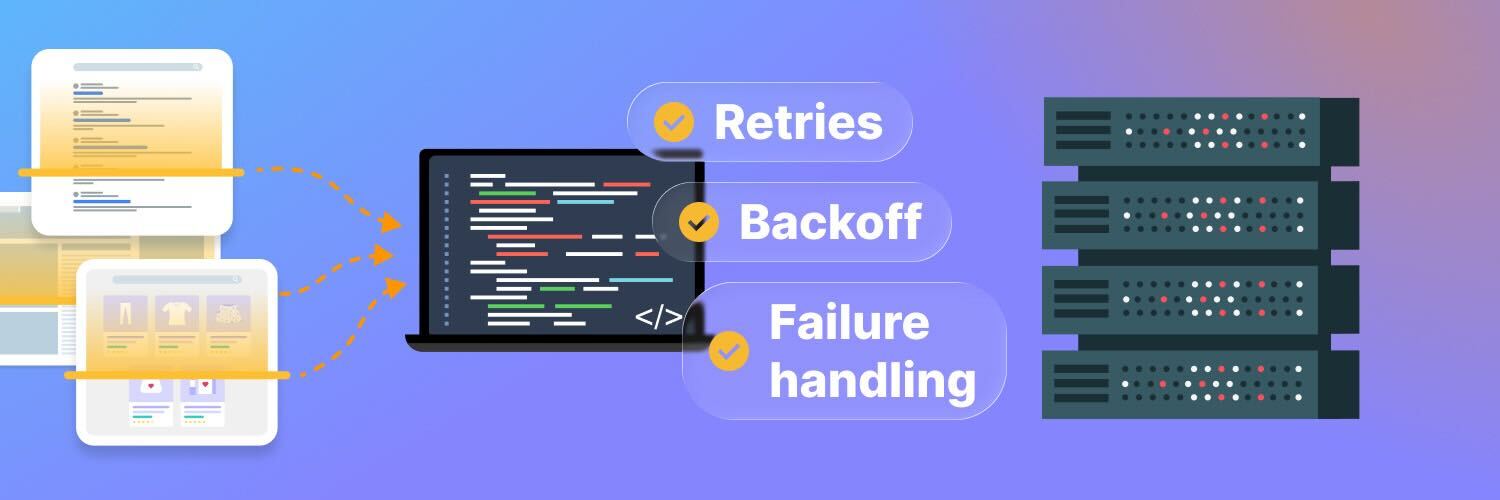
Every failed request has a cost. There’s bandwidth, time, compute load, and often an alert sent to an engineer who would rather not be woken up at 3 a.m. Rotating proxies help prevent these failures by distributing traffic more intelligently, which reduces retry storms and stabilizes cloud spending.
They distribute traffic more evenly
A healthy scraping pipeline depends on balance. Too much pressure on one IP or subnet slows everything down. Rotation spreads traffic evenly across a large network, smoothing out performance and avoiding bottlenecks.
This matters for AI pipelines, SERP workloads, and real time dashboards where delays ripple through the entire system.
Fewer Retries. Higher Success Rates.
Build reliable scraping pipelines with rotating proxies.
They simplify operations
Without rotation, proxy management becomes a continuous chore. Engineers swap IPs, diagnose slowdowns, rebalance pools, and hunt for patterns that cause spikes. Rotating proxies eliminate much of this overhead so teams can focus on building product features, not managing infrastructure plumbing.
They improve geographic accuracy
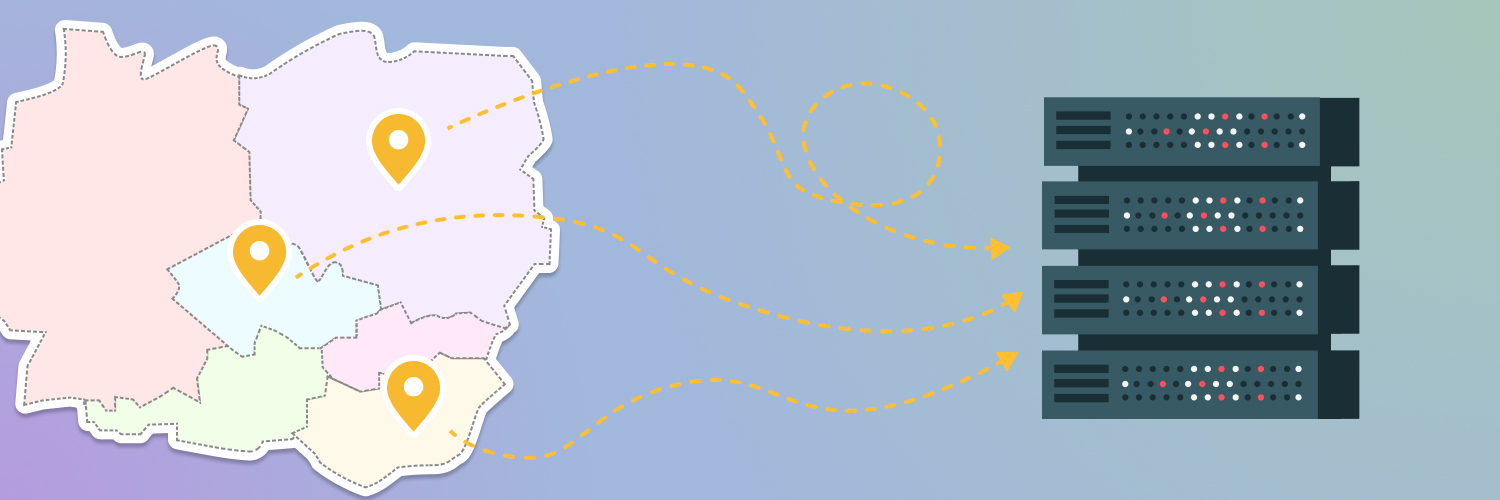
Many scraping workflows require region specific data. You might need Midwest pricing, Paris search results, or state level comparisons. Because rotating proxies pull from geographically diverse pools, they make it easier to collect accurate regional results without manually managing IP lists.
They handle seasonal traffic spikes
During peak seasons, traffic volume increases dramatically. Holiday shopping, tax season, elections, and major events all create sudden spikes. Small IP pools collapse under the load. Rotating proxies, especially those backed by large networks, absorb these surges naturally and keep pipelines responsive.
Different Types of Rotating Proxies (and When to Use Each)
Not all rotating proxies operate the same way, and the best choice depends on your workload.
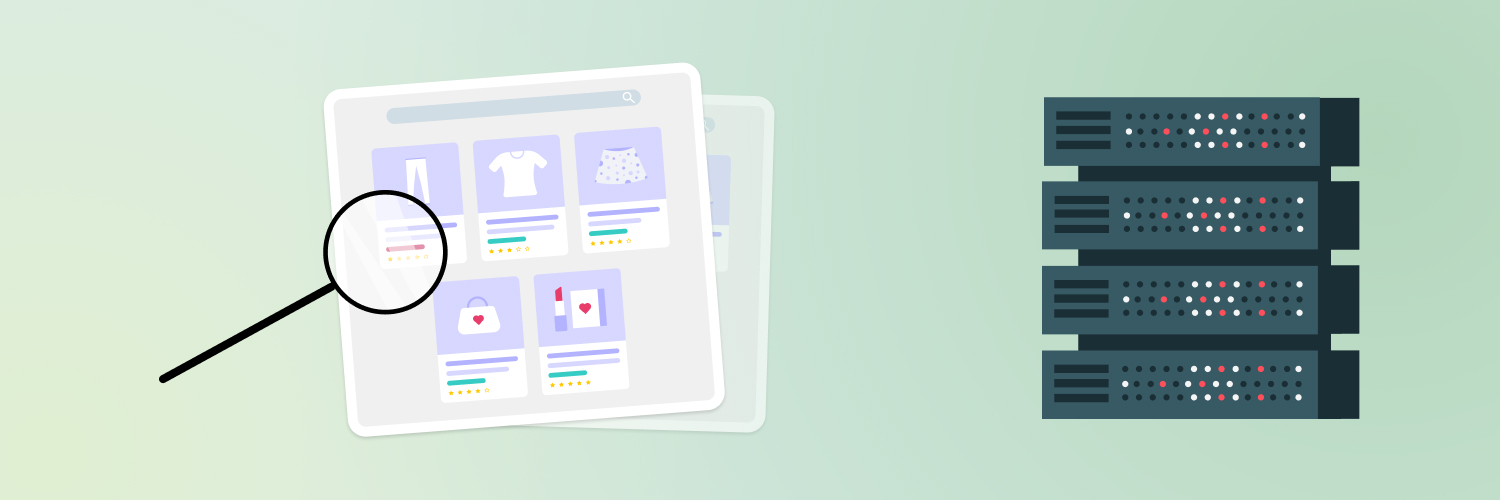
Data center rotating proxies are the fastest and most affordable. They are ideal for price intelligence, product monitoring, dashboards, and most large scale scraping tasks.
Residential rotating proxies use IPs from consumer networks. They cost more but are valuable when websites personalize content or react strongly to data center traffic.
Mobile rotating proxies use IPs from mobile carriers. These IPs move naturally across carrier infrastructure, creating highly dynamic traffic patterns that work especially well for SERP scraping and workloads that benefit from high IP diversity.
When Rotating Proxies Aren’t the Right Choice
Rotating proxies solve many challenges, but they are not ideal for every situation.
- If your workflow depends on long lived sessions, rotation may interrupt your flow.
- If you need an allowlisted IP for a B2B platform, rotation will not work.
- If you’re using APIs that track identity or rate limit by IP, rotation may add unnecessary complexity.
Many mature teams use a hybrid setup: rotating proxies for large scale collection and static proxies for identity specific or session based tasks.
Choosing a Rotating Proxy Provider
On paper, many providers look the same. They all promise speed, scale, and reliability. What actually matters is the underlying quality of the network. Look for:
- A large, consistently clean IP pool
- Strong geographic diversity
- Transparent sourcing practices
- Real, testable metrics around success rate, uptime, and latency
- A support team that understands scraping architecture
The best provider is the one that helps your pipeline stay predictable, stable, and scalable as your workload evolves.
Working with Rayobyte
Rayobyte supports some of the largest scraping pipelines in the world, and rotating proxies are one of the reasons those systems stay stable. Our networks are designed for teams operating at serious scale, from millions to tens of millions of requests per day.
We offer large, diverse pools across data center, residential, and mobile networks, with the ability to configure rotation settings to fit your workflow. Our IPs are recognized by major geolocation databases, which helps ensure accuracy across regional datasets. And because our sourcing practices prioritize transparency and responsibility, teams can trust the foundation they are building on.
Where Rayobyte truly stands out is long term stability. Our infrastructure is engineered for durability, low latency, and high success rates even under extreme volume. We also work directly with enterprise customers who want help tuning rotation behavior, investigating performance issues, or optimizing their pipeline end to end.
If your team is growing its scraping operations, struggling with instability in your current setup, or simply wants a more predictable foundation to build on, we’d be happy to help you test a rotating proxy configuration tailored to your needs. Get in touch with our team today.
Fewer Retries. Higher Success Rates.
Build reliable scraping pipelines with rotating proxies.