Best Proxies for Web Scraping in 2026: Residential, Datacenter, ISP, and Mobile
Web scraping in 2026 looks very different from how it did even a few years ago.
Websites are more dynamic, traffic filtering happens earlier in the request lifecycle, and CDNs, WAFs, and hosting providers are far more comfortable blocking traffic they don’t recognize. A lot of platforms now assume automation by default and expect traffic to prove otherwise.
At the same time, the demand for web data hasn’t slowed down. If anything, it’s grown. Teams still need rankings, pricing, availability, SERPs, listings, and signals at scale. The data is there. Getting to it reliably just takes more intention than it used to.
That’s what proxies can help with.
Choosing the right proxy type in 2026 isn’t about chasing whatever sounds most powerful. It’s about understanding how different IP sources behave, how modern sites evaluate traffic, and how to match your proxy strategy to what you’re actually trying to do.
This guide walks through the four proxy types that matter today: datacenter, residential, ISP, and mobile, explaining how each one works, where each one performs best, and how to think about combining them into a scraping setup that actually holds up in production.
Scrape reliably in 2026.
Test datacenter, residential, ISP, and mobile proxies built for scraping at scale.

Why Proxies Matter More in 2026
When scraping fails today, it’s rarely because a selector broke or a parser returned null. Most failures happen earlier than that. The request never makes it far enough.
IP reputation, network origin, traffic patterns, and session behavior all feed into whether a request is accepted or quietly shut down. You can send a perfectly valid request and still get blocked simply because it came from the wrong type of network or showed up in a way the site didn’t like.
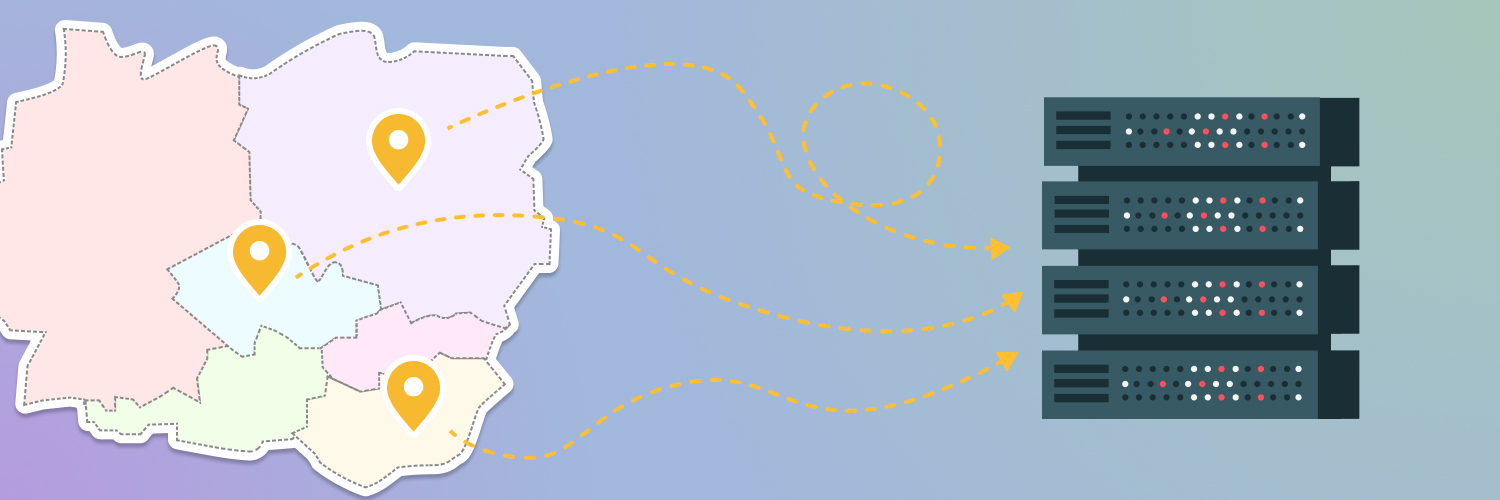
Proxies give you control over how your traffic appears from the outside. They let you distribute load, choose where traffic originates, avoid burning a single IP identity, and adapt when targets tighten their defenses.
One of the biggest mistakes teams make is treating proxies as a one-time decision. Pick a provider, pick a proxy type, and move on. In practice, different scraping jobs need different approaches, and the strongest setups in 2026 are almost always hybrid ones.
Datacenter Proxies in 2026
Datacenter proxies are IPs hosted in cloud or data center environments. They’re familiar, easy to work with, and often the first option teams reach for.
That hasn’t changed, and for good reason. Datacenter proxies are still the fastest and most cost-effective way to move large volumes of traffic. Latency is low, bandwidth is predictable, and scaling up doesn’t require much thought. If a site relies more on rate limiting than deep reputation scoring, datacenter traffic can perform extremely well.
Where they struggle is on sites that explicitly discriminate against data center networks. Many consumer-facing platforms maintain blocklists based on ASN, hosting provider, or traffic history. Once an IP range is flagged, even well-behaved traffic can start failing consistently.
That doesn’t make datacenter proxies obsolete, it just means they work best when they’re used intentionally.
They’re a great fit for lower-risk domains, structured public endpoints, internal testing, and any workload where speed and cost efficiency matter more than squeezing out every last percentage point of success. For a lot of teams, datacenter proxies still form the foundation of their scraping infrastructure, and when they work, nothing else comes close in terms of raw efficiency.
Residential Proxies in 2026
Residential proxies route traffic through IPs associated with real consumer internet connections. From a site’s point of view, that traffic looks like it’s coming from everyday users rather than servers sitting in a data center.
That distinction still matters in 2026.
Many sites apply looser thresholds or different rules to residential traffic, which often translates into higher success rates on targets that aggressively block datacenter IPs. That’s why residential proxies are so commonly used on protected product pages, marketplaces, ad platforms, and geo-sensitive content.
The tradeoff is variability.
Residential networks aren’t designed for uniform performance. Latency can fluctuate, bandwidth isn’t guaranteed, and IP availability can vary wildly depending on location. One request might fly through, the next might crawl, even though nothing changed on your end.
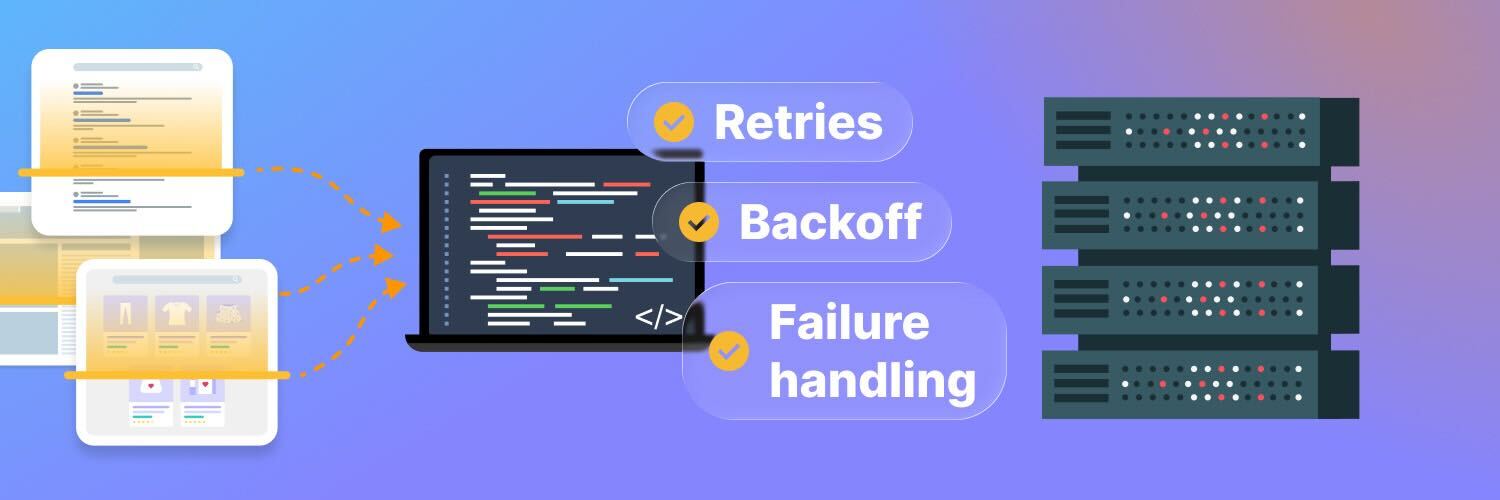
That means residential proxies need a bit more care operationally. Good retry logic, sensible session handling, and proper monitoring all matter if you want consistent results. When they’re used thoughtfully, residential proxies unlock access that datacenter proxies simply can’t reach reliably, but they’re not something you just plug in and forget.
ISP Proxies in 2026
ISP proxies, often called static residential proxies, sit somewhere between datacenter and residential.
These IPs are allocated by internet service providers, which gives them residential credibility, but they’re typically hosted in more controlled environments. The result is traffic that looks residential to target sites, while behaving much more predictably from an infrastructure standpoint.
In 2026, ISP proxies are often the go-to option for workflows that need stability. Logged-in sessions, authorized account access, multi-step interactions, and long-lived scraping jobs all benefit from having a consistent IP identity that doesn’t rotate out from under you.
They’re also useful when location accuracy matters. Because the IP stays put, geo targeting remains reliable over time, which is something rotating residential pools don’t always guarantee.
ISP proxies tend to cost more than datacenter proxies and usually come with a smaller pool than residential networks. What you get in return is predictability, and for many teams, that tradeoff is more than worth it.
Scrape reliably in 2026.
Test datacenter, residential, ISP, and mobile proxies built for scraping at scale.
Mobile Proxies in 2026
Mobile proxies route traffic through IPs associated with cellular networks like 4G and 5G carriers.
From a reputation standpoint, mobile networks behave differently. Carrier IPs are shared across large numbers of users, traffic patterns are naturally noisy, and blocks can be riskier for sites to apply. That combination can make mobile proxies effective on targets that resist other proxy types.
They also come with real downsides.
Mobile proxies are usually the most expensive option, and they often have tighter constraints around bandwidth, speed, and concurrency. They’re not designed for brute-force scale, and using them where another proxy type would work is a fast way to burn budget.
In 2026, mobile proxies make the most sense as a specialized tool. They’re useful for particularly stubborn targets, regions where other proxy inventory is thin, or cases where mobile presence itself is part of the access pattern. They’re rarely the right default.
Choosing the Right Proxy Type for Your Scraping Workload
The most reliable approach in 2026 is to start simple and escalate only when you need to.
Many teams begin with datacenter proxies to validate their scraping logic and understand how a target behaves. If success rates are solid and throughput meets your needs, there’s no reason to complicate things.
When datacenter traffic starts getting blocked or throttled in ways that break your pipeline, the next step is usually ISP or residential proxies, depending on whether you care more about session stability or IP diversity. Mobile proxies tend to come last, when other options either fail outright or become inefficient due to retries and blocks.
Another key decision is whether your scraping requires a consistent identity. If each request stands alone, frequent rotation is fine. If requests are linked, like pagination, workflows, or logged-in sessions, IP stability becomes critical.
Cost is also easier to reason about when you focus on outcomes instead of sticker price. A cheaper proxy that forces multiple retries per page often costs more in the long run than a higher-priced option that succeeds cleanly.
Teams that track success rates, latency, retries, and cost per successful response end up making much better proxy decisions over time.
Common Mistakes Teams Still Make
One of the most common mistakes we see is over-rotation. Rotating IPs on every request when a session needs continuity creates failures that are frustrating and hard to debug. The opposite problem happens too, where too much traffic is pushed through too small an IP range, creating patterns that practically invite throttling.
Another issue is expecting proxies to compensate for poor scraping behavior. Even the best proxy setup won’t save a pipeline that’s overly aggressive, constantly refetching the same pages, or ignoring obvious capacity limits on the target side.
The teams that succeed in 2026 build balanced systems. Proxies are an important layer, but they’re still just one piece of the puzzle.
Working with Rayobyte
At Rayobyte, we don’t believe there’s a single “best” proxy for web scraping. There’s only the best proxy for the job you’re trying to do.
That’s why we offer datacenter, residential, ISP, and mobile proxy solutions that are designed to work together, not compete with each other. Our focus is on helping teams build scraping pipelines that stay stable, scale cleanly, and don’t fall apart when the web shifts.
We care deeply about network quality, routing control, and transparency. You should know where your traffic is coming from, how it behaves, and how to adapt it when targets change. We also take acceptable use seriously, so teams can collect publicly available data responsibly and confidently.
Some customers start with a single proxy type and expand as their needs evolve. Others run hybrid setups from day one, routing traffic dynamically based on domain, geography, or sensitivity. Both approaches work when they’re built intentionally.
If you’re not sure which proxy type fits your use case, we’re happy to help you think it through before you commit – just get in touch. Getting the strategy right upfront saves time, budget, and a lot of unnecessary frustration later on.
Web scraping in 2026 rewards teams that plan ahead. With the right proxy mix and a bit of care, it’s still very possible to collect high-quality data reliably and at scale.
Scrape reliably in 2026.
Test datacenter, residential, ISP, and mobile proxies built for scraping at scale.